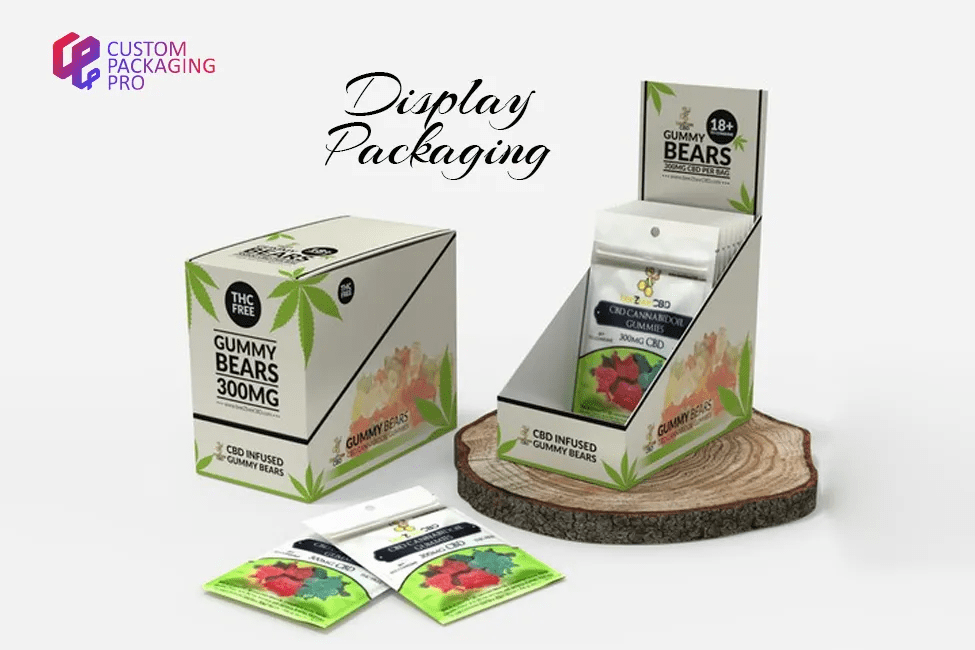
In the competitive retail landscape, every detail matters. Each point of interaction affects your customer’s image of your brand, starting with Kerb appeal and continuing past the checkout point. Display Packaging is another one of these aspects that has a significant effect. It includes all the packaging and presentation done at the point of sale, and, properly executed, it becomes an incredible driver of sales, brand recognition, and customer satisfaction. In today’s write-up, we will discuss why packaging is essential, particularly the significance of expertly packaged boxes for items people tend to see on the street or in the wild and immediately love.
The Power of the Point of Sale: Display Packaging Underrated Impact
It is then the critical juncture where a customer moves from a browser to a buyer — the point of sale (POS). This is the part of the truth, where all your marketing should result in a transaction or fail. Display packaging comes into play here. Here’s why it’s so important:
Even for returning customers, the POS is a chance to give them another opportunity to see that positive impression. First Impression Matters: And things have to repeat. For example, a clean, organised counter with nicely packaged products offers professionalism and detail.
The strategic placement of attractive, well-packaged items near the cash register will increase their impulse purchases. This is particularly true for small, economical items such as travel-sized counters or accessory products associated with your core offerings.
Display Boxes is another opportunity to communicate your brand storey to a new audience if you have a brand storey to communicate. That can be done through the visually attractive design, the consistent branding elements, and even short informative descriptions on the packaging itself.
High-quality packaging thus instantly increases the product’s perceived value. A well-designed box implies that the findings are fancy, worth the extra expense, and aid in customer delight.
Packaging protects the product from damage during transportation and display, allowing it to be delivered to the customer in perfect condition. This is crucial for delicate items such as cosmetics, as it prevents the wax from deforming and breaking.
While online shopping is rampant, brick and mortar stores are unlike anyone or anything else. Appealing display boxes help attract more customers interested in engaging with your products.
Here’s a deep dive into the considerations involved in creating practical boxes:
Material Selection: Functionality Meets Aesthetics
The most important thing is what you use for the material of your item box. It has to be wearable enough to protect the counter from damage through shipping and handling while conveying the desired aesthetic. Common materials include:
Folding Carton (Cardboard): Simple and versatile, Folding Cartons are affordable and can be manufactured to a print, emboss, finish, or any combination thereof. Select the thickness and grade that offer the necessary protection. And increasingly popular are recycled cardboard options for brands that are mainly focused on sustainability.
Set-Up Boxes (Rigid Boxes): These boxes are commonly made from a thick board and provide the best protection and a premium feel. They are generally used for luxury items and/or gift sets. Folding cartons are more expensive, but they convey a more expensive value proposition.
Individual bulk orders can be shipped with excellent cushioning and protection by Corrugated cardboard. Depending on the candle’s fragileness and weight, you must select the right flute size, thus the wavy layer of cardboard.
Small Boxes: They are not really boxes as such, but if made out of metal, they can be stylish and durable for smaller items, especially travel-sized things, when sticking with kits of these sizes. Additionally, they have great heat resistance.
Design and Branding: Communicating Your Brand Identity
Your Candle Boxes should be an extension of your brand identity with no visible struggle to see where you come from. This includes:
Use Colours: The colours should be related to your brand and evoke this feeling. There is also the psychological impact of their colours, with blues and greens calming to people, while red and oranges energising.
Typography: Choose legible fonts that represent your brand’s personality. A traditional brand may need a classic serif font, while a more contemporary brand may prefer a modern sans serif font.
Placement of the Logo: It should be properly placed on the box while not taking up too much space in the design itself. Then, think about inserting it silently within the other structure or texture.
Images: Choose realistic, high-resolution images or images with illustrations that suit the type of candle and its scent. A great example is a lavender-scented candle, which may contain pictures of lavender fields or a relaxing spa scene.
Sustainable: If you value sustainability, emphasise this on the packaging by using eco-aware inks, recycled products, and the Forest Stewardship Council (FSC) logo.
Functionality and User Experience: Opening the Door to Delight
Consider how the customer will interact with the packaging. A positive unboxing experience can significantly enhance their satisfaction.
Ease of Opening: Ensure the box is easy to open without damaging the candle or the packaging.
Inner Packaging: Include inserts or padding to protect the candle from movement during shipping and handling. Consider using eco-friendly options like shredded paper or moulded pulp.
Information and Instructions: Include essential information such as burning instructions, safety precautions, and ingredient lists. This demonstrates transparency and builds trust with your customers.
Gifting Potential: Design the box to be gift-ready. Consider adding a ribbon, a tag, or a small card for a personalised message.
Finishes and Embellishments: Adding a Touch of Luxury
Special finishes and embellishments can elevate the perceived value of your Candle Packaging and differentiate it from the competition.
Embossing and Debossing: This creates a tactile impression on the box, adding depth and dimension.
Foil Stamping: Apply a metallic foil to the box, adding a touch of elegance and sophistication.
Spot UV Coating: Apply a glossy coating to specific box areas, highlighting certain elements and creating visual contrast.
Soft-Touch Coating: Apply a velvety smooth coating to the box, creating a luxurious tactile experience.
Die-Cut Windows: Create a window in the box so customers can see the candle inside, enticing them with its colour and texture.
Sustainability Considerations: Reducing Your Environmental Footprint
In today’s environmentally conscious market, consumers increasingly demand sustainable packaging options. Consider the following:
Recycled Materials: Use recycled cardboard, paper, and other materials whenever possible.
Biodegradable Materials: Opt for biodegradable packaging materials that decompose naturally over time.
Minimal Packaging: Reduce the amount of packaging used to minimise waste.
Eco-Friendly Inks: Use soy-based or water-based inks that are less environmentally harmful.
Recyclability: Design your packaging to be easily recyclable.
 Custom Packaging Pro UK
Leave a comment